Sam
A pool deck may appear perfectly maintained until a loose coping stone or uneven paving edge draws attention. These smaller details are easy to overlook, yet they influence how comfortably people move around a swimming pool. Damaged edges can also affect the appearance of otherwise attractive outdoor spaces.
In Southwest Florida, poolside paving faces regular moisture exposure, changing weather conditions, and daily foot traffic. Understanding how coping and surrounding pavers work together helps homeowners recognize potential problems and make better decisions when repairs become necessary.
Why Pool Coping Deserves Special Attention
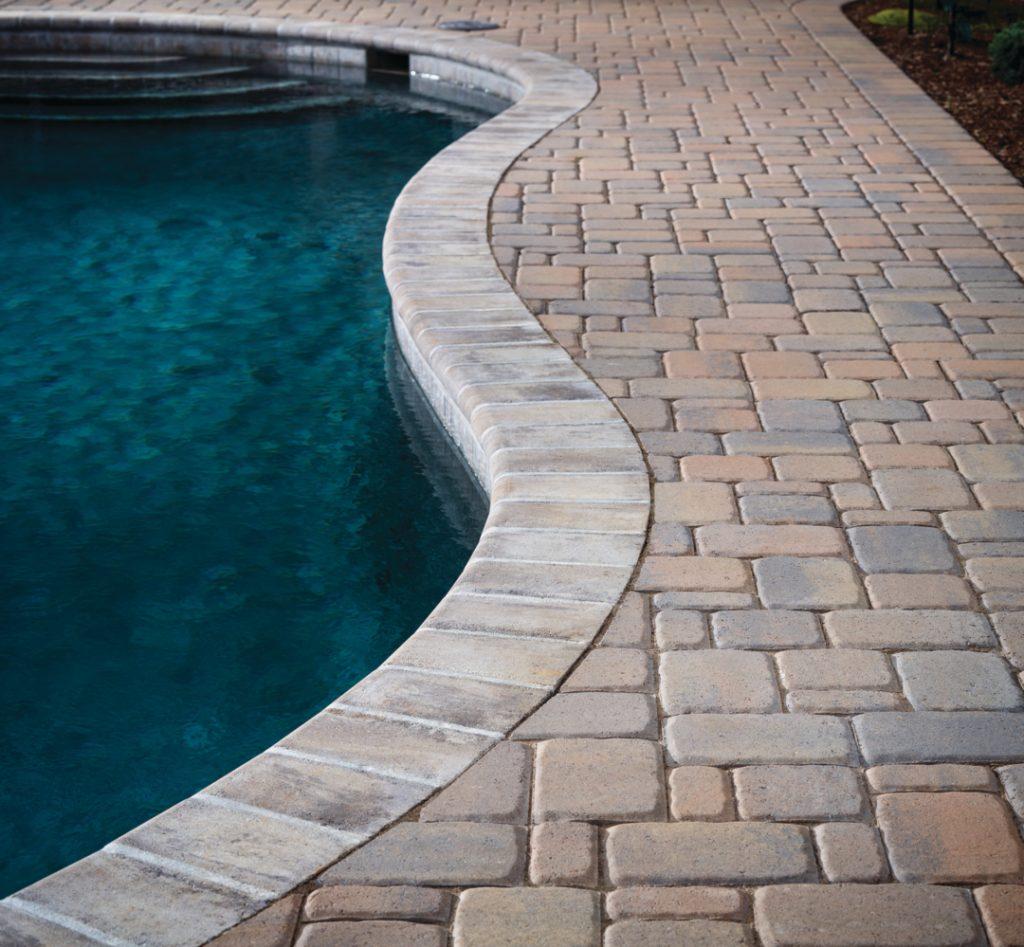
Pool coping forms the finished border between the swimming pool and its surrounding deck. Depending on the design, it may consist of precast elements, natural stone, or other suitable materials.
Beyond providing a decorative edge, coping creates a transition between the pool structure and the walking surface. Loose, cracked, or uneven pieces can affect comfort and require professional evaluation.
Homeowners should pay particular attention to visible movement, deteriorating joints, and changes in alignment. These symptoms may indicate localized damage or conditions that require further investigation.
What Causes Paver Edges to Become Unstable?
Pavers around swimming pools can experience movement for several reasons. Water entering joints, inadequate edge support, and changes in underlying materials may contribute to shifting or uneven surfaces.
Homeowners considering pool deck repair in Naples, FL should understand that the visible problem does not always reveal its cause.
For example, a displaced paver near the pool edge might require more than repositioning. The supporting materials, adjacent coping, and drainage conditions may also need attention.
Identifying these factors helps determine an appropriate repair approach.
Warning Signs Around Pool Edges
Some paving problems develop slowly, making regular observation particularly valuable. Homeowners should look for changes that could indicate deterioration or movement.
Common warning signs include:
- Loose coping stones: Pieces that move when touched or walked near may require assessment.
- Uneven paving joints: Changes in alignment can indicate movement beneath individual units.
- Cracked stone edges: Fractures may result from impact, movement, or material deterioration.
- Recurring water accumulation: Persistent moisture may suggest drainage problems requiring investigation.
- Widening gaps: Increasing separation between paving materials can signal changing support conditions.
These symptoms do not automatically mean a complete pool deck replacement is necessary. Their significance depends on the location, extent, and underlying cause of the damage.
Understanding Repair and Replacement Decisions
A damaged pool edge does not always require rebuilding the surrounding deck. In some situations, individual paving or coping components may be repaired or replaced while retaining unaffected materials.
Homeowners exploring paver replacement in Naples, FL should consider whether the existing units can be reused and whether the supporting system remains suitable.
Matching replacement materials can present additional challenges. Older pavers may differ in appearance from newly manufactured units because of weather exposure or product availability.
A professional assessment can help clarify realistic repair options before work begins.
How Drainage Influences Poolside Repairs
Water management deserves attention whenever repairs involve pool coping or adjacent paving. Rainfall, pool splash, and nearby irrigation can introduce moisture into joints and surrounding materials.
Proper drainage helps manage water movement across the deck without directing runoff toward vulnerable structures.
However, drainage problems may involve more than the visible paving surface. Existing slopes, supporting materials, and nearby outlets should be evaluated when recurring moisture issues appear.
Addressing these concerns before completing repairs can reduce the likelihood of repeating the same problem.
Protecting Existing Materials During Repairs
Poolside repairs require careful handling of surrounding materials. Removing a damaged paver or coping element may affect neighboring units if the work is not planned appropriately.
The repair method should reflect the material involved and its relationship with the pool structure. Precast components, brick pavers, and natural stone may require different techniques.
Homeowners should also discuss how repair work will affect nearby landscaping, furniture, and pool access.
Clear expectations help minimize unnecessary disruption while ensuring that important construction details receive attention.
Maintaining Pool Coping and Paver Connections
Routine inspections can help identify minor changes before they become more extensive. Homeowners should monitor joints, surface alignment, and signs of deterioration around frequently used poolside areas.
Cleaning methods should be appropriate for the installed materials. Some natural stones are sensitive to acidic products, while aggressive washing may disturb paving joints.
Maintenance cannot prevent every form of damage. Nevertheless, recognizing changes early allows homeowners to seek professional guidance before selecting repair or replacement options.
Conclusion
Pool coping and paving edges contribute to both the appearance and everyday functionality of swimming pool surroundings. Loose materials, damaged joints, and uneven surfaces should be assessed carefully to identify suitable repair options. Proper drainage, material compatibility, and ongoing maintenance also deserve attention. Homeowners planning pool deck improvements in Southwest Florida can explore naplesprecast.com to learn more about available precast, natural stone, and paver services and the importance of addressing existing conditions before undertaking repairs around their residential swimming pools.