Sam
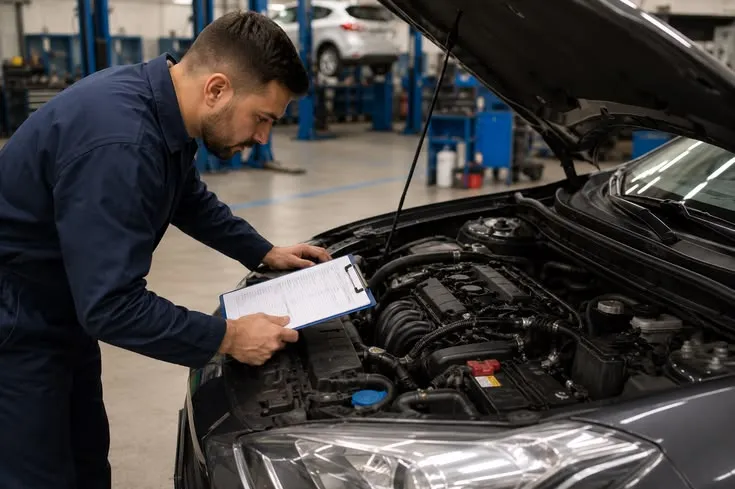
Buying a used car involves more than comparing mileage, price, and a polished exterior. A vehicle can conceal suspension wear, electrical faults, or neglected maintenance. Scheduling a vehicle inspection woodstock appointment before purchasing can provide useful information about condition and likely repair needs. It can reveal concerns a short test drive might miss. Buyers should understand the findings before deciding.
Start With the Vehicle’s History
Review the title, service receipts, mileage records, and any available vehicle history report before visiting the seller. Check for inconsistencies. A clean history report does not guarantee that a car has never been damaged or improperly repaired.
Ask about past accidents, major component replacements, outstanding warning lights, and the reason for selling. Missing records warrant investigation, not accusations. An independent inspection also matters.
Look Beyond a Clean Exterior
Fresh paint and clean upholstery tell only part of the story. Uneven tire wear, leaking fluids, damaged underbody components, or corrosion in unexpected places can be more important than minor cosmetic scratches.
Inspectors may examine brakes, suspension, engine, and electrical systems. They should distinguish directly observed defects from issues requiring additional testing. Cosmetic restoration is not a substitute for evidence of safe mechanical condition.
Use the Test Drive Carefully
During a permitted test drive, notice whether the engine starts normally, the steering remains predictable, and the transmission engages without unusual hesitation. Listen for new sounds during ordinary acceleration and braking. Avoid aggressive maneuvers or deliberately recreating a potentially dangerous symptom.
Pay attention to dashboard warning lights and climate-control operation. A fault may appear only after the car has warmed up, so a brief drive cannot identify every concern. Tell the inspector about anything unusual instead of trying to diagnose it yourself.
Prepare Questions for the Technician
A useful assessment begins with clear expectations. Tell the technician whether the purchase involves an older commuter car, an SUV used for family travel, or a vehicle with extensive modifications. These details help focus the discussion on relevant risks.
Before the appointment, ask about:
- The inspection’s scope and whether a road test is included.
- Brake, tire, steering, and suspension checks.
- Engine, fluid leak, and electrical-system observations.
- Diagnostic scans when signs justify them.
- Written findings and recommended follow-up tests.
An inspection checklist is helpful, but the technician’s explanation of serious findings matters just as much as the number of items checked.
Understand What a Scan Can Reveal
Modern vehicles store fault information in electronic control modules. A scan may identify recorded or pending trouble codes, but a code usually indicates where testing should begin, not which component must automatically be replaced. Some intermittent faults may leave limited evidence.
Art of Speed describes computer diagnostics as part of its inspection capabilities when required. Ask whether further diagnosis is recommended before assigning a repair cost to a warning. A buyer should avoid treating a code-free scan as a guarantee of perfect mechanical health.
Turn Findings Into a Purchase Decision
Once the inspection is complete, separate routine maintenance from immediate safety concerns and substantial mechanical repairs. Worn wiper blades and an unsafe tire are not equivalent risks, even though both may appear in the same report. Obtain estimates when a significant issue is identified.
Buyers comparing auto repair woodstock options can use professional findings to discuss repairs with the seller, adjust their budget, or walk away. Remember that an inspection provides a condition snapshot, not a warranty or certification of future reliability.
Allow Room for Ownership Costs
The purchase price is only the beginning. Tires, scheduled maintenance, insurance, and repairs can quickly change the total cost of ownership. Review the manufacturer’s recommended service schedule and check whether major work is approaching based on mileage and documented history.
Keep the inspection report alongside purchase paperwork. If you proceed, it provides a useful starting point for future maintenance discussions. Even a well-maintained used car benefits from ongoing observation, but avoiding a poorly understood purchase can save considerable frustration.
Conclusion
A pre-purchase inspection helps turn a used-car decision into a more informed choice. Service records, a sensible test drive, mechanical checks, and clear repair estimates each contribute a different piece of evidence. Buyers should recognize the limits of any single inspection and prioritize safety-related findings over cosmetic details.
People considering used vehicles around Woodstock and Cherokee County can explore inspection and diagnostic services through artofspeedga.com before committing to a purchase. Careful preparation offers perspective, not a guarantee, and supports more realistic ownership decisions.