Sam
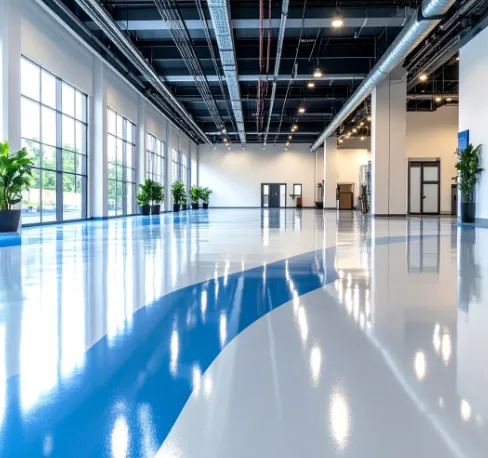
Busy work spaces need floors that can handle daily use. Staff walk across them, machines move over them, and spills may happen at any time. A weak floor can crack, wear down, or become hard to clean. This can affect daily work. Commercial epoxy flooring is one option businesses can consider when they need a tough and neat floor. Still, the right choice depends on the type of work, floor condition, and level of use.
A good floor does more than improve the look of a site. It can help keep work areas clean and safe. Each business has its own needs, so the floor must suit the space.
Understand The Needs of Your Site
Every work site has a different set of needs. A store, workshop, warehouse, and factory do not face the same floor stress. Some areas see heavy foot traffic, while others hold large machines or move goods all day. Start by looking at how each space is used. This makes it easier to find a floor that fits the job.
Think about daily tasks, staff movement, and the weight of tools or goods. A floor that works well in an office may not suit a busy plant.
Review Strength and Daily Wear
Work floors face more than normal foot traffic. Heavy loads, moving carts, dropped tools, and rough use can wear down weak surfaces. A strong coating can help protect the base from daily stress. It can also reduce the chance of surface damage when the right product and work method are used.
For sites with heavy use, industrial epoxy flooring may be worth a closer look. It can provide a hard surface for areas that need added strength. Still, no floor is free from wear. The best choice should match the load, work pace, and type of activity in the space.
Check Safety Across Work Areas
Safety should be part of every flooring plan. Wet spots, oil spills, and loose dust can make floors hard to walk on. This is a concern in places where staff move goods or use tools. A floor with the right grip can help lower slip risks. The level of grip should suit the tasks done in each area.
Light also matters. A floor that reflects enough light can help staff see marks, spills, and objects on the ground. Yet, a very smooth or shiny surface may not suit every site.
Look At Cleaning and Upkeep
Cleaning needs can vary from one site to another. Food areas may need frequent washdowns, while workshops may deal with oil and dust. A sealed floor can make daily cleaning easier by limiting the spots where dirt can settle. This can save staff time and help keep the work area neat.
Ask what cleaning products are safe for the chosen coating. Strong chemicals or rough tools may harm some finishes. A simple care plan can help keep the floor in good shape. Also check how often the surface needs review.
Prepare The Base Before Coating
The old floor needs proper checks before any new layer is added. Cracks, holes, stains, and weak areas can affect the final result. Moisture can also cause a coating to lose its grip. These issues should be found early. A floor test can help show what work is needed before the coating begins.
Grinding and repair may form part of the prep work. The goal is to create a clean and firm base. Dust, oil, and loose bits must be removed.
Plan Costs and Work Time
The cost of a new floor is not just the price of the coating. Repairs, prep work, labour, and site access can all affect the total.
Work time is just as important. Some sites cannot stop work for long, while others may have quiet days for floor repairs. Ask how long the job will take and when staff can use the area again.
Conclusion
Choosing a floor for a busy work site takes care and planning. The surface must suit the work, handle daily wear, and support safe movement. Cleaning needs, base condition, cost, and work time also matter. There is no single floor that fits every site. A clear review of daily tasks can help a business choose a sound option and avoid problems later.
Businesses can review flooring options and service details at evolveepoxy.com before making a final choice. It is wise to ask about the materials, prep steps, cure time, and care needs. These details help set clear plans for the work ahead. A well-chosen floor can support daily tasks and keep the site in better shape for years.