Sam
Sam 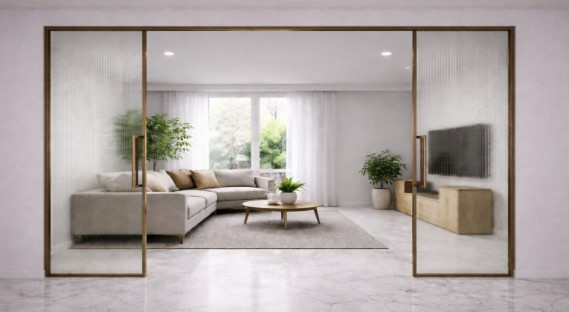
Space planning inside homes is getting tighter, and people notice it more now. Traditional hinged doors take up room that could be used for furniture or movement. A Cavity sliding door solves that issue by sliding inside the wall instead of swinging out. It feels simple, but the impact on the layout can be quite noticeable. This kind of door is not new, just used more thoughtfully today.
Why saving floor space matters more than expected
In smaller rooms, every bit of space changes how comfortable things feel. A swinging door can block pathways or limit furniture placement without much thought. Using a Cavity sliding door removes that obstruction completely from the floor area. It allows cleaner movement between spaces without needing extra clearance. People often realise this benefit only after installation is complete.
Installation requires planning before the walls are finished properly
Unlike regular doors, this system needs space inside the wall to function. That means planning should happen during construction or renovation stages, not afterwards. A Cavity sliding door requires a cavity frame in which the door panel can move along. It can be retrofitted, which is more work than early installation.
Hardware quality affects how smoothly the door actually works
Tracks, rollers and guides are small parts; however, they make a big difference in performance. Hardware of low quality may result in sticking, noise or uneven movement in the long run. The selection of consistent components assists a Cavity sliding door to run in a noisy and consistent manner. It also becomes easy to maintain when the parts are made to be used in the long term.
Maintenance is simple but still often ignored by homeowners
Dust and debris may accumulate in tracks but not be observable instantly. Sometimes cleaning these parts will assist in keeping the door panel moving smoothly. A Cavity sliding door does not require attention at all times, yet little inspections help to avoid larger problems. Overlooking maintenance may result in minor issues that will be felt in terms of usability in the future.
Design flexibility allows it to fit different interior styles easily
The interior design may be matched with these doors and different finishes. Effective uses can be made of glass panels, timber finishes or painted surfaces. A Cavity sliding door slips into the wall when it is closed, and this gives an appropriate appearance. This makes it suitable for both modern and simple interior themes.
Sound and privacy considerations depend on installation quality
Sliding doors do not always seal as tightly as hinged doors by default. Nonetheless, good seals and proper installation can enhance the sound control and levels of privacy. A well-installed Cavity sliding door performs better in these areas than poorly fitted ones. Such details of the mall as alignment and sealing strips are noticeable.
Conclusion
The selection of the appropriate door system will have an impact on the utility of the space and everyday convenience. You can find a selection of sliding doors that can be adapted to several layouts without any unwarranted complexities on premiumslidingdoors.com.au. A Cavity sliding door is a convenient means of controlling space without compromising the functionality and cleanliness of interiors. The factor that makes it perform well in the long run would be planning, proper installation and simple maintenance. When you are thinking of renewing your interior design, please seek the help of a professional to determine the appropriate sliding door to fit into your premises.