 Streamline
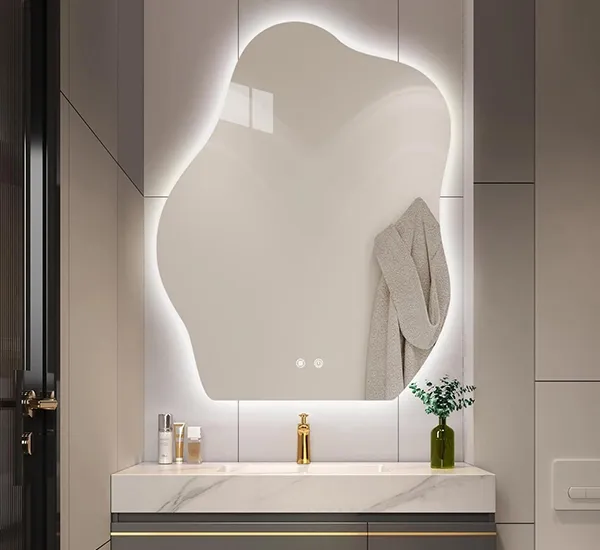
Backlit mirrors have become a familiar feature in contemporary bathrooms because they combine a reflective surface with soft integrated illumination. They can reduce the need for bulky wall fittings around the vanity and help create a cleaner, more architectural appearance.
For developers, retailers, and bathroom brands, choosing a reliable backlit mirror supplier china option involves more than comparing prices. Construction, lighting, electrical design, packaging, and support all matter in commercial orders.
Understand the Lighting Effect First
Backlighting usually creates a glow around the mirror or between the mirror and the wall. This can add depth to the vanity area and provide useful ambient light, especially in bathrooms where the main ceiling lighting feels flat.
Backlighting should not automatically replace task lighting. Its effectiveness depends on brightness, wall colour, installation distance, and the wider lighting scheme. Some bathrooms may still benefit from additional front-facing light.
Compare More Than Shape and Size
Rectangle, round, oval, and custom-shaped mirrors can all work well, but size should be chosen in relation to the vanity and the available wall area. A mirror that is too narrow may feel undersized, while an oversized model can make access, mounting, and transport more difficult.
Buyers should also compare frame construction, glass, backing materials, mounting hardware, and internal layout. Similar-looking mirrors can differ significantly in construction and installation.
Check the Electrical Requirements Early
Integrated lighting needs a suitable power supply, and optional functions can increase electrical requirements. Some mirrors may include touch controls, dimming, anti-fog systems, clocks, sensors, or other features.
These functions should be coordinated with the electrical plan. In wet areas, installation should follow local regulations and the manufacturer’s instructions. Late power decisions can lead to visible cables or changes to finished walls.
Common Problems Are Often Preventable
Many Led Illuminated Bathroom Mirror Problems are easier to manage when buyers understand their likely causes. Flickering, uneven illumination, condensation, control issues, or lights that fail to turn on can result from several different factors rather than one universal fault.
Start with safe, basic checks rather than immediate disassembly. Confirm the power supply, review control settings, and consult the instructions. Electrical or internal faults should be handled by a qualified professional.
Moisture Management Still Matters
Bathrooms naturally produce humidity, especially around showers and baths. A mirror intended for this environment should be designed and installed with moisture conditions in mind.
Anti-fog functions can help, but they do not replace good ventilation. Extractor fans and sensible airflow can reduce condensation while also helping protect other bathroom materials.
Evaluate Customisation Carefully
Custom mirror orders can suit non-standard dimensions, a particular frame finish, or a specific lighting requirement. They can also help brands coordinate mirrors with furniture.
Customisation should be documented clearly. Buyers should confirm dimensions, shape, light position, controls, mounting, cable exit, and packaging before production. Clear drawings and approved samples reduce misunderstandings.
Packaging Is Part of Product Quality
Mirrors are fragile, so packaging deserves serious attention, particularly for long-distance transport. A strong product can still arrive damaged if corners, glass faces, or frames are not adequately protected.
Commercial buyers should ask how individual mirrors and larger orders are protected for transport. They should also understand the process for reporting transit damage and obtaining replacements.
Plan for Cleaning and Maintenance
Regular cleaning helps preserve the appearance of both the glass and the surrounding finish. Soft cloths and suitable cleaning products are generally safer than abrasive pads or harsh chemicals that may affect coatings or frames.
Avoid spraying excessive liquid around touch controls, electrical edges, or openings. Manufacturer guidance should take priority because finishes may require different care. In commercial settings, a clear cleaning procedure can prevent accidental damage.
Balance Design With Long-Term Use
A backlit mirror should look attractive when newly installed, but long-term value depends on how well it performs after months and years of normal use. Easy controls, reliable mounting, sensible lighting, serviceable components, and straightforward cleaning all contribute to that value.
The best choice is rarely the product with the longest feature list. It is the one that fits the room, meets the user’s practical needs, and can be installed and maintained without unnecessary difficulty.
Conclusion
Backlit bathroom mirrors can bring both useful illumination and a more refined visual character to a bathroom. Their success, however, depends on decisions made before installation as much as on the appearance of the finished product.
By reviewing construction, lighting, electrical needs, moisture conditions, packaging, custom options, and maintenance, buyers can make more informed choices. A well-selected mirror should support the daily routine, complement the surrounding design, and remain practical to care for over time.